Unleash Their Best Self: The Power of Exercise for Your Dog’s Well-being
We all want happy, healthy dogs. Beyond a good diet and a comfy bed, one of the most crucial elements in a dog’s life is consistent, appropriate exercise. It’s not just about burning off energy; it’s a powerful tool for enhancing both their mental and physical health, leading to a more balanced and joyful companion.
The Downside of Sedentary Life: When Exercise is Lacking
Just like humans, dogs suffer when they don’t get enough physical activity. The impacts can be far-reaching:
- Physical Decline: Obesity is a rampant problem in inactive dogs, leading to increased risk of diabetes, joint problems (arthritis), heart disease, and a shortened lifespan. Muscles atrophy, bones weaken, and their overall physical resilience diminishes.
- Mental and Behavioral Challenges: A bored dog is often a destructive dog. Lack of mental and physical stimulation can manifest as:
- Destructive Chewing: Furniture, shoes, and anything they can get their paws on become targets for pent-up energy.
- Excessive Barking: Frustration and under-stimulation can lead to incessant barking, bothering both you and your neighbors.
- Anxiety and Stress: Dogs, especially high-energy breeds, can develop anxiety, pacing, licking, or even aggression when their natural instincts aren’t met through appropriate outlets.
- Hyperactivity and Difficulty Settling: They may seem “wired” constantly, unable to relax even indoors.
- Poor Social Skills: Unexercised dogs might be overwhelmed or pushy in social situations, lacking the self-regulation that comes with physical exertion.
The Upside: The Transformative Power of Exercise
Now for the good news! Regular exercise is a cornerstone of a well-adjusted dog’s life, bringing a wealth of benefits:
- Peak Physical Health:
- Weight Management: Prevents obesity and helps maintain a healthy weight.
- Stronger Muscles and Bones: Improves overall strength, flexibility, and reduces the risk of injury.
- Improved Cardiovascular Health: A strong heart and lungs mean better stamina and a longer, healthier life.
- Better Digestion: Exercise can help regulate bowel movements and improve gut health.
- Enhanced Immune System: Active dogs tend to have stronger immune systems, making them less susceptible to illness.
- Robust Mental Health & Behavioral Harmony:
- Stress Reduction: Exercise is a fantastic stress reliever, helping dogs burn off nervous energy and calm their minds.
- Reduced Destructive Behaviors: A tired dog is a good dog! When their physical and mental needs are met, they are far less likely to engage in unwanted behaviors like chewing, digging, or barking.
- Improved Focus and Trainability: Exercise helps dogs concentrate better. A dog that has had a good workout is more receptive to training cues and commands.
- Increased Confidence: Mastering new skills and engaging in physical challenges can boost a dog’s confidence and self-esteem.
- Better Sleep Quality: Just like us, a well-exercised dog will sleep more soundly and deeply.
- Stronger Bond with Owner: Engaging in activities together builds trust, communication, and strengthens the bond between you and your dog.
Targeted Workouts: Specific Tools for Specific Benefits
While a simple walk is always good, incorporating various forms of exercise can provide unique physical and mental stimulation.
- Flirt Pole:
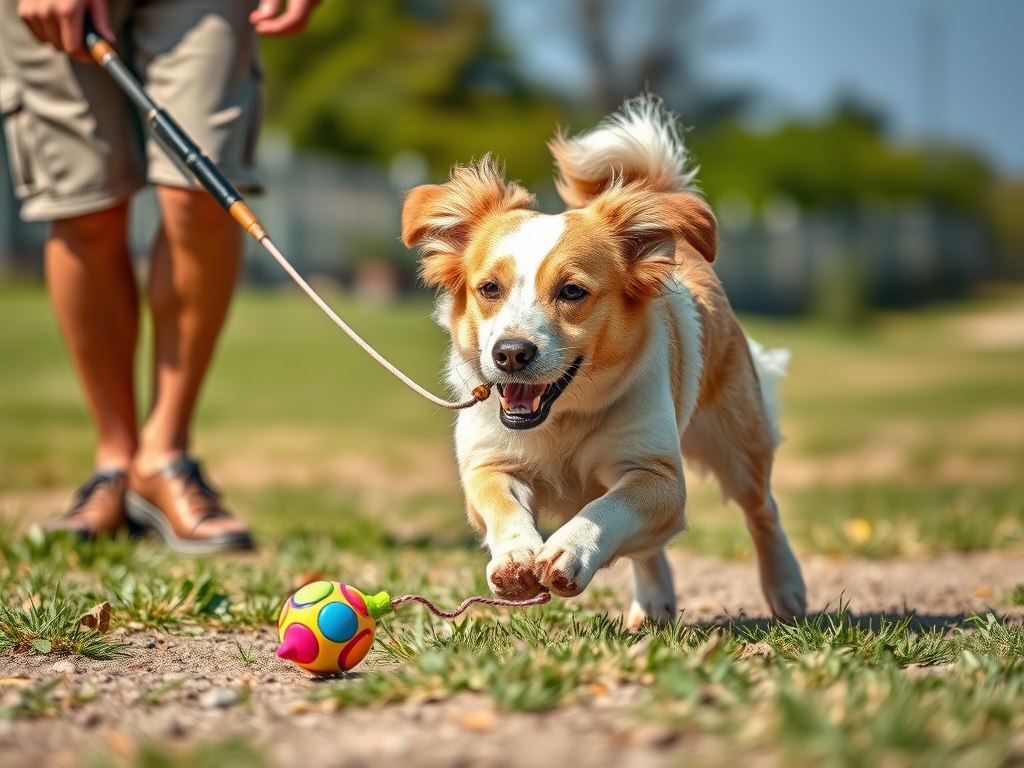
A flirt pole is essentially a giant cat toy for dogs. It’s a long pole with a rope and a lure (often a fake fur toy) attached to the end. * Physical Benefits: Provides short bursts of high-intensity exercise, excellent for agility, quick changes of direction, and developing powerful bursts of speed. It works core muscles, improves coordination, and enhances cardiovascular fitness. * Mental Benefits: Taps into a dog’s natural prey drive in a safe and controlled way. It requires focus, impulse control (waiting for permission to chase), and problem-solving as they try to “catch” the lure. Great for teaching “leave it” and “drop it.”
- Tug-of-War:
Often misunderstood, tug-of-war, when played correctly, is a fantastic game for dogs. * Physical Benefits: Builds muscle strength throughout the entire body, especially in the neck, jaw, and shoulders. It’s a great full-body workout that also strengthens grip and endurance. * Mental Benefits: Excellent for impulse control and obedience training. Dogs learn to release the toy on command, maintain appropriate arousal levels, and establish clear boundaries. It’s also a powerful bonding activity that taps into their natural play drive.
- Slow, Steady Pace on a Treadmill:
While not a substitute for outdoor adventures, a treadmill can be an invaluable tool, especially during bad weather or for specific training needs.
* Physical Benefits: Provides a consistent, controlled cardio workout that builds stamina and endurance. It’s low-impact, which can be beneficial for dogs with certain joint issues (under veterinary guidance). It helps maintain muscle tone and can be used for controlled rehabilitation.
* Mental Benefits: Requires focus and can be a calming, meditative activity once a dog is comfortable with it. It helps build discipline and can be particularly useful for dogs who struggle with overstimulation in outdoor environments.
Conclusion: Invest in Their Health, Reaping the Rewards
Prioritizing your dog’s exercise regimen is one of the best investments you can make in their overall well-being. By providing them with appropriate physical activity and mental stimulation, you’re not just preventing problems – you’re actively fostering a happier, healthier, and more harmonious relationship. So, grab a leash, a flirt pole, or a tug toy, and get moving with your best friend!

Leave a comment